
SEO Analytics isn’t just about tracking numbers — it’s about understanding the data behind your website’s performance. In this introduction to SEO Analytics, we’ll explore how data transforms ordinary SEO into a measurable, data-driven strategy. Most creators focus on what to do — add keywords, build backlinks, publish content — but few dive into why those actions work. That’s where Data-Driven SEO, your unique approach, truly stands out.
In this introduction to SEO Analytics, we will delve deeper into how the introduction to SEO Analytics can revolutionize your approach to digital marketing.
Why This Series
Most SEO blogs tell you what to do — “add keywords,” “write longer content,” “get backlinks.”
Few explain why those actions work.
That’s where Data-Driven SEO — your unique approach — makes a difference.
The introduction to SEO Analytics also emphasizes the importance of continuous learning in the fast-paced world of SEO.
In this introduction to SEO Analytics series, we’ll go beyond tips and trends to explore the numbers, signals, and visual insights that explain why your pages rank (or don’t).
Welcome to The Smart SEO Series — where every decision starts with data.
By understanding the introduction to SEO Analytics, you position yourself to adapt and thrive.
This journey starts with an introduction to SEO Analytics, where analytics become your ally in decision-making.
🔹 1. Introduction to SEO Analytics
SEO Analytics is the process of collecting, analyzing, and interpreting data to understand how your website performs on search engines.
It transforms SEO from guesswork into a measurable process.
You don’t just ask “Am I ranking?” — you ask “Which metric shows why?”

It’s not just about tracking visits — it’s about uncovering insights such as:
- Which keywords actually bring traffic
- How users behave on your site
- Why your rankings rise or fall
When you master SEO Analytics, you move from guessing to knowing what drives growth.
Thus, an effective introduction to SEO Analytics is crucial for any serious marketer.
Ultimately, mastering the introduction to SEO Analytics will empower you to make informed decisions.
🔹 2. Why SEO Analytics Matters
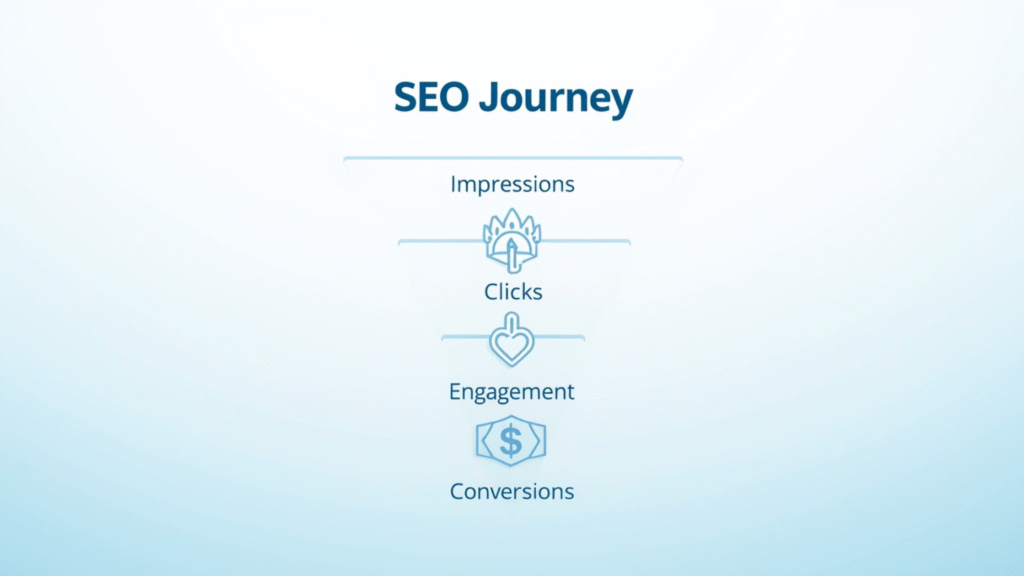
Every click, impression, and bounce tells a story.
By studying analytics, you discover:
- What your audience really wants
- Which content builds engagement
- Where optimization is most needed
When you analyze, you stop chasing algorithms and start aligning with audience intent.
This is why your introduction to SEO Analytics should be thorough and comprehensive.
Search algorithms evolve, but one truth remains constant — data tells the story.
Every click, bounce, or impression holds a clue about your audience and content performance.
Think of SEO Analytics as the compass guiding every decision — from keyword planning to content updates.
In conclusion, a clear introduction to SEO Analytics is your first step towards success.
🔹 3. Key SEO Metrics You’ll Track
| Metric | What It Tells You | Why It Matters |
|---|---|---|
| Impressions | How often your page appears in search results | Measures visibility |
| CTR (Click-Through Rate) | How many users click your result | Reflects relevance of title/meta |
| Bounce Rate | How quickly users leave | Indicates content or UX issues |
| Average Position | Ranking across keywords | Tracks visibility trends |
| Engagement Time | How long users stay | Reveals content quality |
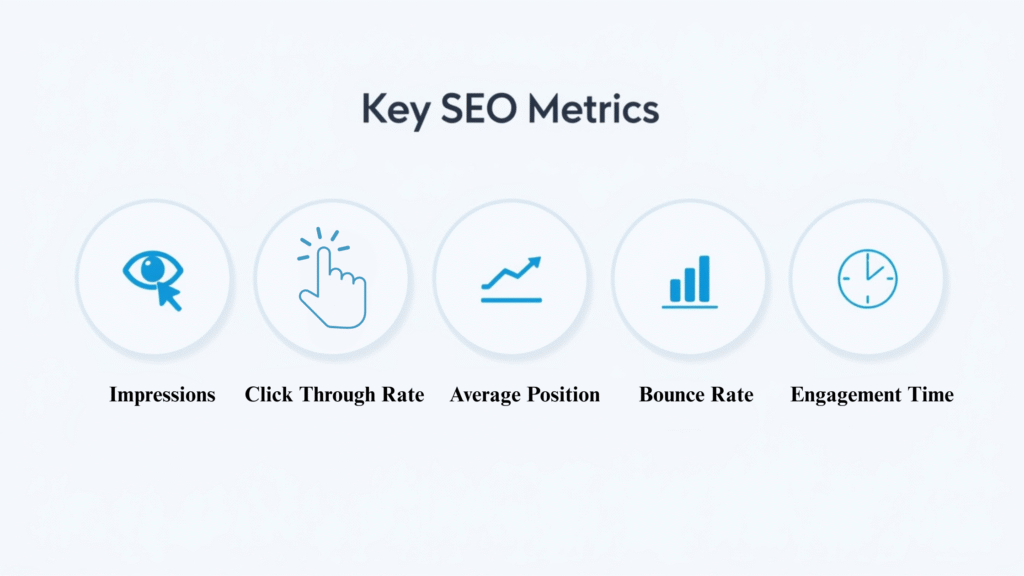
A data-driven marketer studies these metrics like a detective — spotting patterns and making evidence-based improvements.
With an understanding of the introduction to SEO Analytics, you can uncover hidden opportunities.
🔹 4. From Data to Decisions
Data without interpretation is noise.
For example, if impressions are high but CTR is low — you’ve got visibility, not interest.
Updating meta titles and measuring the CTR jump later turns data into actionable insight.
The introduction to SEO Analytics will guide you through essential strategies and metrics.
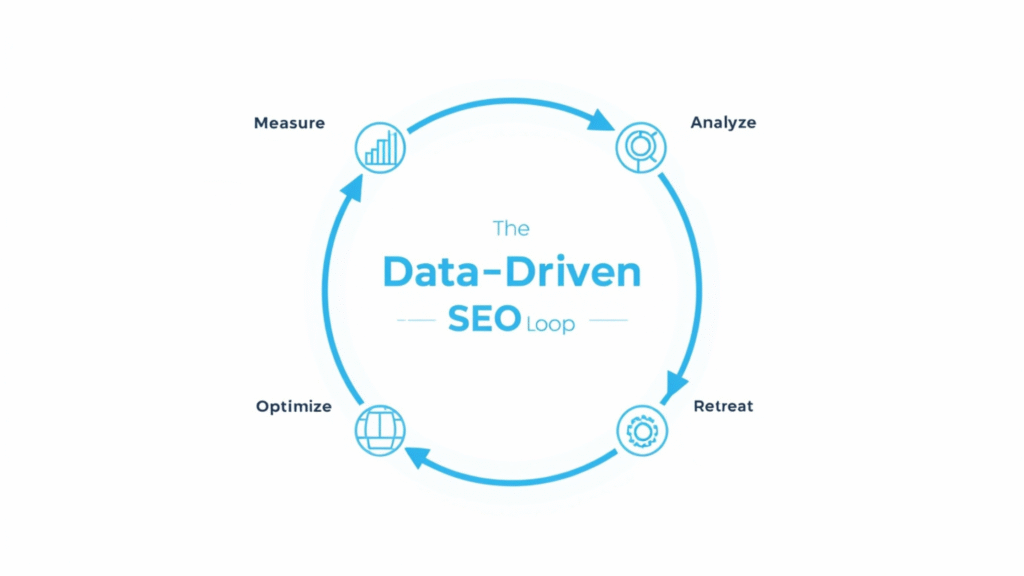
That’s the Data-Driven SEO loop:
Measure → Analyze → Optimize → Repeat.
🔹 5. The Data-Driven SEO Advantage
Here’s what sets your approach apart:
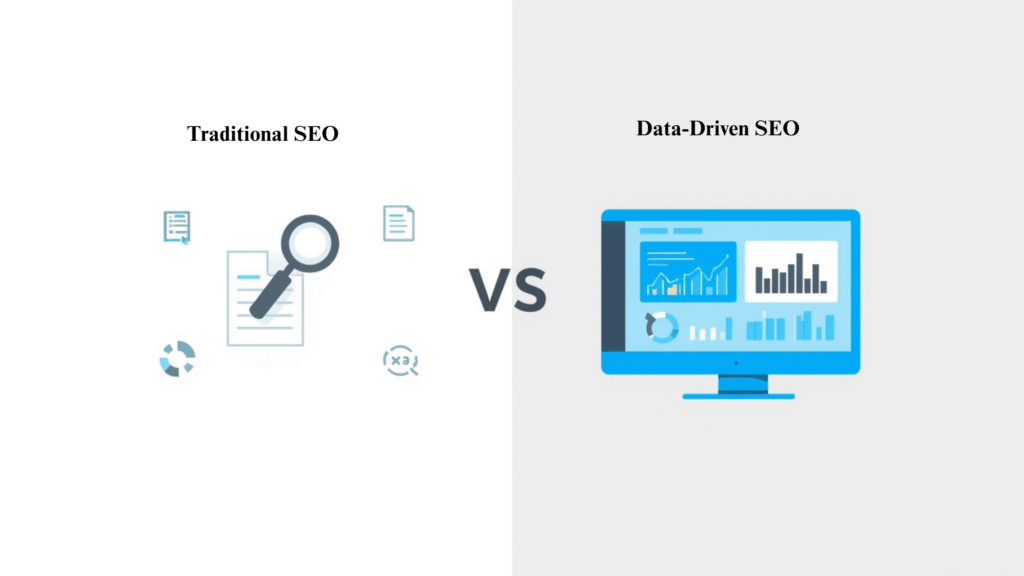
- Visual Thinking: transforming raw metrics into clear dashboards.
- Analytical Mindset: finding “why” behind every number.
- Automation: linking GA4, GSC, and Excel/Tableau for faster insights.
- Experimentation: using data to test titles, structures, and keywords.
This blend of analytics + creativity defines your personal brand — you don’t just do SEO, you decode it.
🔹 6. Essential Tools for Smart SEO
To make your SEO efforts data-driven, start exploring:
Moreover, your introduction to SEO Analytics should include practical tools and applications.
- Google Analytics 4 – User behavior & engagement tracking
- Google Search Console – Keyword and ranking performance
- Ahrefs / Ubersuggest – Backlinks and keyword difficulty
- Google Trends – Emerging keyword insights
🔹 7. What’s Next
Up next: Part 2 — How Google Ranks Websites in 2025 (Algorithms, AI & User Intent).
We’ll explore how modern ranking systems think — and how analytics keeps you ahead of every update.
✅ Summary
SEO success isn’t luck — it’s logic.
With Data-Driven SEO, you’ll learn to:
- Interpret metrics like a strategist
- Visualize insights like an analyst
- Optimize content like a creator
And in this series, you’ll learn how to use data as your compass to navigate the ever-changing world of search.
Stay tuned — because Smart SEO starts here.
The subsequent sections will build on this introduction to SEO Analytics, expanding your knowledge further.
This series will continue to enhance your introduction to SEO Analytics with advanced topics.
Finally, embrace the insights from your introduction to SEO Analytics and make them work for you.
Pingback: Boost Your SEO: How Google Ranks Websites in 2025
Pingback: SEO Roadmap 2025: Complete Guide — Smart SEO Series